
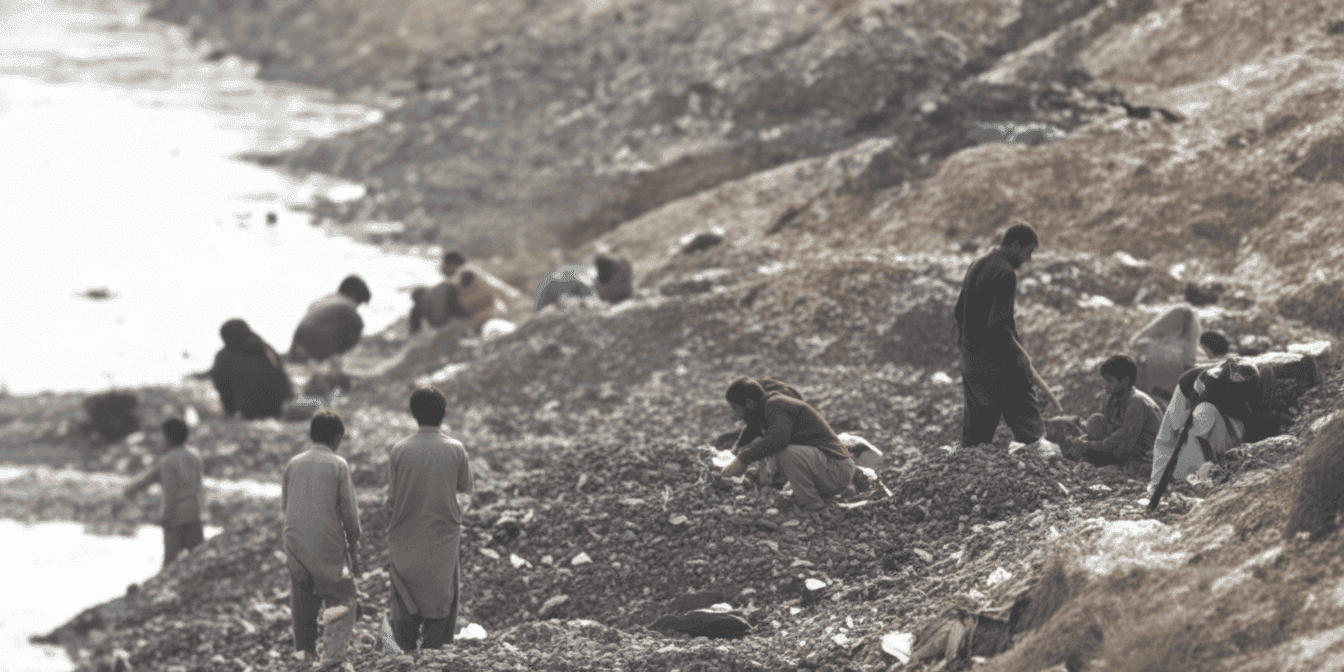
Karachi — Residents living and working near the Malir River are facing severe challenges due to persistent smog and air pollution. A local family, who depends on small-scale daily labor for survival, continues their work despite poor air quality.
Living and Working in Hazardous Conditions
The family operates near the riverbank, where pollution levels spike daily. Dust, smoke, and industrial emissions combine to create a hazardous environment. Children and elders alike are exposed to health risks, including respiratory problems, eye irritation, and fatigue.
Despite these risks, the family continues to work, earning a meager income to meet basic needs. Their struggle reflects the harsh realities of low-income communities in Karachi’s polluted areas.
Impact on Health and Daily Life
Doctors warn that long-term exposure to high pollution levels can cause lung diseases, asthma, and cardiovascular issues. Families living near industrial zones, rivers, or congested traffic areas face greater vulnerability.
Citizens express frustration over inadequate government measures to control smog. Local authorities have acknowledged air pollution concerns, but many residents feel that enforcement and mitigation strategies are insufficient.
Government Response and Public Awareness
The Sindh Environmental Protection Agency (SEPA) has urged communities to limit outdoor activities during peak smog days. Experts advise using masks, installing air purifiers indoors, and promoting tree plantation drives along riverbanks.
While awareness campaigns exist, the economic necessity forces families like this one to continue working outdoors, highlighting the conflict between livelihood and health.
Hope Amid Challenges
Community organizations have begun distributing masks and raising awareness about air pollution risks. Residents hope that stricter regulations on industrial emissions and better urban planning will reduce smog and create safer working conditions in the future.
The story of this family near the Malir River serves as a stark reminder of the human cost of urban pollution and the urgent need for action to protect vulnerable communities in Karachi.