





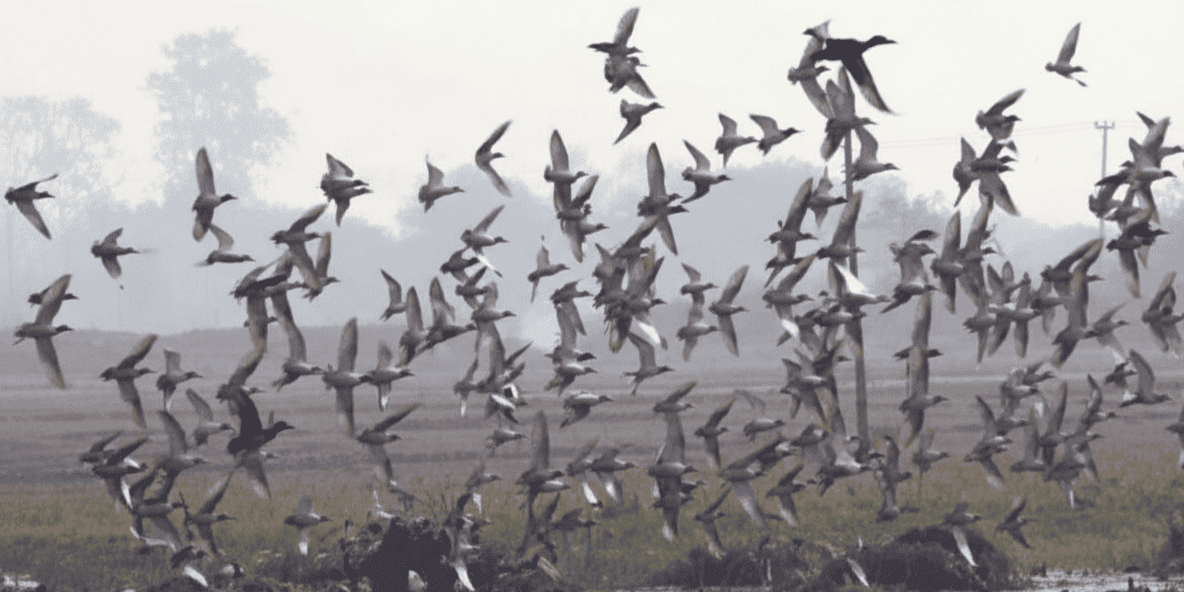
Poachers Threaten Siberian Birds Arriving in Sindh
A fresh Sindh migratory birds wildlife alert emerged after wildlife teams reported rising poaching cases in major wetlands. Thousands of Siberian birds reach Sindh every winter, but this year, hunters started targeting them earlier than expected. As a result, conservation groups raised the alarm and urged stronger action.
Birds Arrive, Hunters Follow
Migratory birds such as mallards, teals, geese, and waders travel thousands of kilometers from Siberia to settle in Sindh’s warm wetlands. These birds rely on the Indus delta, Haleji Lake, Keenjhar Lake, and Chotiari Reservoir for food and shelter. However, poachers reached these areas quickly and began trapping large flocks.
Consequently, local communities reported unusual hunting activity near protected zones.
Authorities Increase Patrols
Sindh Wildlife Department acted fast and increased patrolling in sensitive regions. Officers inspected boats, vehicles, and camps around the wetlands. Moreover, teams used drones to monitor remote areas that poachers often use at night.
Officials stated that poachers try to sell rare birds in illegal markets, which threatens the entire ecosystem. To prevent further loss, the department also launched awareness campaigns in nearby villages. The renewed effort supported the ongoing Sindh migratory birds wildlife alert.
Conservation Groups Raise Their Voice
Environmental activists warned that the bird population could drop sharply if the hunting continues. They explained that many Siberian species help maintain ecological balance by controlling insects and supporting plant growth. Therefore, any decline directly affects the region’s biodiversity.
Experts also highlighted that these birds attract tourists, birdwatchers, and researchers every winter. This seasonal activity supports local economies, which means poaching harms both nature and livelihoods.
Local Communities Also React
Villagers living near the wetlands expressed concern. Many rely on fishing and fear that reduced bird numbers may disturb the natural food chain. Additionally, they supported strict penalties for illegal hunting and urged authorities to protect nesting areas.
Their cooperation strengthened the monitoring efforts introduced under the Sindh migratory birds wildlife alert.
Next Steps to Protect Wildlife
Authorities plan to set up 24-hour surveillance in high-risk areas and increase fines for illegal hunting. They will also introduce mobile reporting systems so citizens can quickly inform wildlife teams about suspicious activity.
With stronger laws, better awareness, and community support, Sindh hopes to ensure a safe winter season for all migratory birds. This Sindh migratory birds wildlife alert serves as a reminder that wildlife protection requires constant vigilance.