





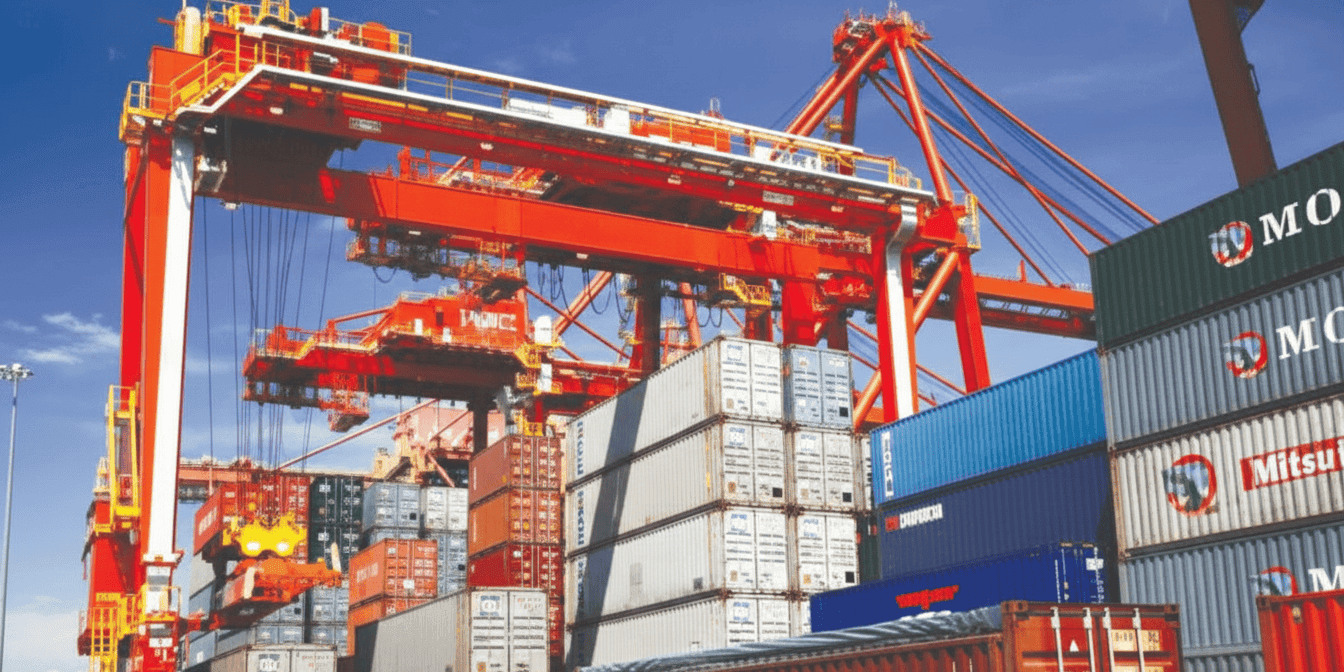
Trade Deficit Widening
Pakistan’s trade deficit has risen sharply in 2025 as exports decline, undermining government reform efforts. According to the latest Pakistan trade deficit 2025 update, imports continue to grow faster than exports, creating pressure on foreign reserves and the economy.
Declining Exports
The Pakistan trade deficit update notes that key exports, including textiles and agricultural goods, have faced lower demand in international markets. Currency fluctuations, rising production costs, and regional competition have further contributed to the export slowdown.
Economic Implications
Economists warn that the rising Pakistan trade deficit could affect reform targets aimed at stabilizing the economy. The gap between imports and exports may increase inflationary pressures and complicate debt repayment schedules, making policy adjustments necessary.
Government Response
The government is taking measures to address the situation. According to the Pakistan trade deficit report, initiatives include promoting export-friendly policies, offering incentives for local producers, and negotiating trade agreements to boost market access. Officials emphasize that strengthening exports is critical for achieving reform goals and maintaining economic stability.
Conclusion
The widening Pakistan trade deficit 2025 highlights the urgency for structural reforms in the economy. Analysts suggest boosting industrial output, enhancing competitiveness, and diversifying exports to manage the trade gap effectively. Continuous monitoring and proactive measures will be essential to ensure Pakistan meets its economic objectives.