




New Peace Proposal for Gaza Aims to Halt Fighting and Secure Hostage Release
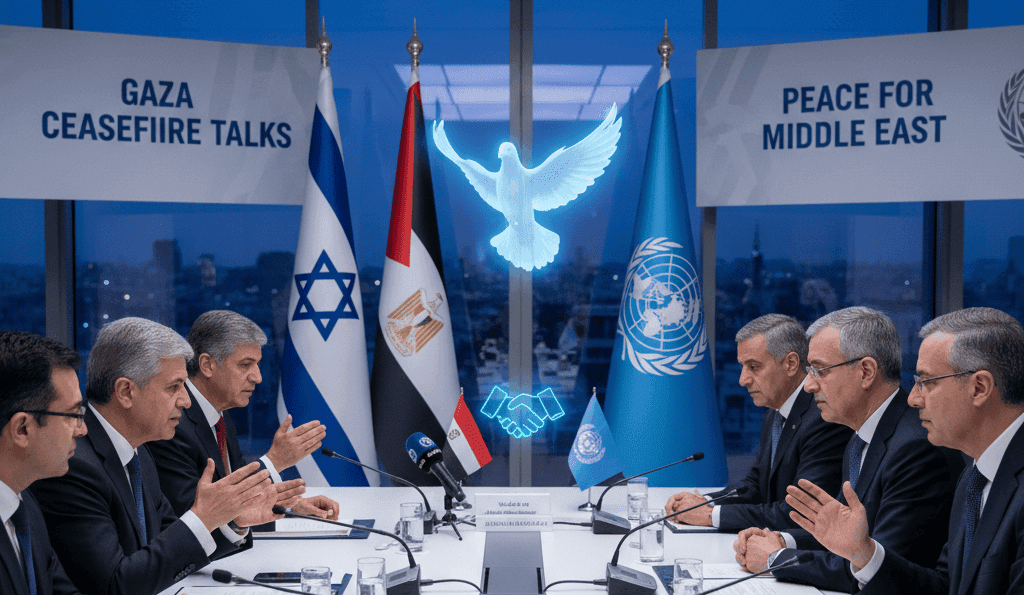
The peace proposal for Gaza announced by the United States and supported by international partners has generated renewed discussion on how to bring an end to one of the most protracted conflicts in the Middle East. The plan focuses on halting hostilities, ensuring the release of hostages, and laying a foundation for long term peace and stability in the region.
For months, civilians in Gaza and Israel have suffered the devastating toll of war. Thousands have been displaced, infrastructure has been destroyed, and humanitarian agencies continue to report severe shortages of food, medicine, and clean water. In this context, the new peace proposal for Gaza offers a potential breakthrough if both parties commit to it.
First Stage Ceasefire and Humanitarian Aid
The proposal begins with an immediate ceasefire. Halting all fighting would enable humanitarian groups to deliver essential supplies inside Gaza. Agencies such as the Red Cross and the United Nations have repeatedly stressed that civilian suffering cannot be reduced without secure access.
For detailed updates, readers can follow OCHA Gaza Humanitarian Updates.
Diplomats argue that this stage also allows space for political dialogue. By stopping the violence, the peace proposal for Gaza provides negotiators with the time needed to address security and governance arrangements.
Hostage Release as a Humanitarian Priority
A central feature of the plan is the release of hostages. Families across Israel and abroad have been waiting for news about their loved ones for months. By linking the ceasefire to this humanitarian step, the peace proposal for Gaza attempts to build trust between opposing sides.
Mediators from Egypt and Qatar are expected to play a key role. Both countries have prior experience in negotiations and are likely to be instrumental in ensuring progress on this sensitive issue.
Reconstruction and Governance
Beyond short term relief, the peace proposal for Gaza outlines plans for rebuilding and governance. Years of conflict have left schools, hospitals, and infrastructure in ruins. The proposal calls for international financial support to restore vital services, promote education, and create economic opportunities.
Analysts note that this will be the most difficult phase, requiring political consensus among Palestinian leaders, regional cooperation, and oversight from global institutions to ensure transparent use of funds.
International Response
The global reaction to the proposal has been mixed. Several European leaders welcomed the move, describing it as a necessary initiative to protect civilian lives. Humanitarian groups have echoed this support, urging rapid adoption of the plan.
However, critics remain cautious. Some argue that previous initiatives collapsed due to lack of trust and enforcement. They warn that without binding guarantees, the peace proposal for Gaza may face the same fate.
For international coverage and live updates, visit Reuters Gaza Coverage.
The Biden administration has framed the plan as part of a wider strategy to stabilize the region. Officials believe its success could help revive broader negotiations between Israel and the Palestinians, potentially opening the way toward a two state solution.
UN Backing and Legal Dimensions
Supporters point out that the peace proposal for Gaza aligns with United Nations resolutions emphasizing protection of civilians and the need for humanitarian corridors. Legal experts suggest that adopting such a plan would strengthen international law by creating a precedent for handling conflicts where civilian populations are at risk.
The Road Ahead
The coming weeks will be decisive. Whether the peace proposal for Gaza succeeds depends on the willingness of both sides to compromise and the capacity of mediators to ensure compliance.
While challenges remain, the proposal presents a rare chance to stop the bloodshed, reunite families, and build a framework for lasting peace. The suffering of civilians highlights the urgency of this effort, and many believe this initiative could represent the closest opportunity in years to achieve real progress.