
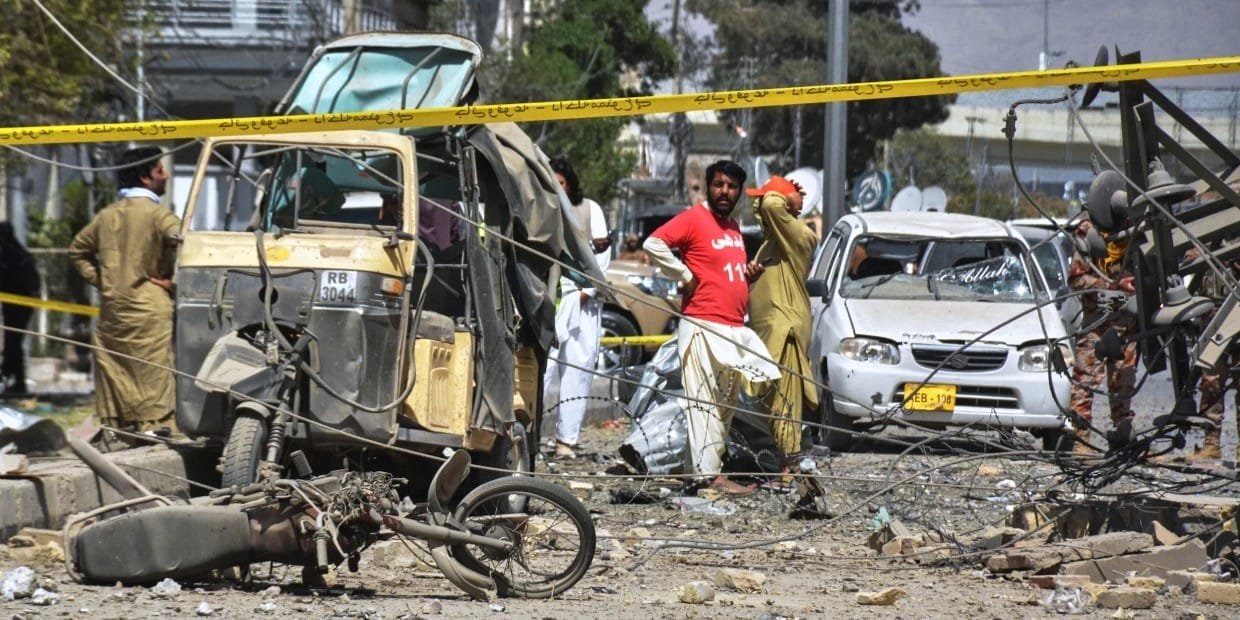
A devastating car bomb blast rocked Quetta, killing at least ten people and injuring over thirty others. The explosion occurred outside the Frontier Constabulary headquarters, leaving families grieving and the city in shock. Authorities now face growing pressure to deliver justice and restore peace in Balochistan, a region long affected by violence.
The Incident
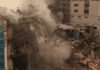
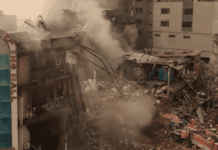
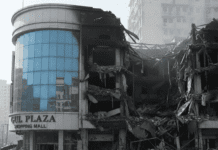
The explosion took place during peak working hours when the area was crowded. Witnesses said they heard a loud blast followed by chaos as flames engulfed nearby vehicles and buildings. The powerful shockwave shattered glass windows across several blocks, sending residents fleeing into the streets.
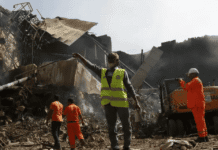
Rescue teams arrived within minutes and rushed the injured to hospitals. Doctors at Civil Hospital Quetta confirmed that several victims remain in critical condition. Security forces sealed off the area and launched a search operation to rule out additional threats.
Immediate Response
Police confirmed the blast was a suicide car bombing. The attacker tried to breach the Frontier Constabulary compound but was stopped by guards at the gate. Security personnel exchanged gunfire with the assailant moments before the explosion, which likely prevented a much higher death toll.
Prime Minister Shehbaz Sharif condemned the attack, calling it a “cowardly act” targeting those who defend Pakistan. He extended condolences to the victims’ families and ordered a full investigation. The Chief Minister of Balochistan announced financial aid for the affected families and free medical care for the injured.
Balochistan’s Troubled Past
Balochistan, Pakistan’s largest province, has a history marked by unrest. Separatist movements, sectarian violence, and militant groups have long challenged stability. Quetta, the provincial capital, often faces such attacks because of its symbolic and strategic importance.
Although recent security operations have reduced large-scale attacks, this bombing shows that militant networks remain active. Analysts say such violence aims to undermine state authority and spread fear among citizens.
Reaction from Citizens and Activists
Residents of Quetta expressed anger and frustration, demanding better security. Many gathered near the blast site holding banners that called for peace and condemned terrorism. Civil society groups urged the government to address not only militancy but also the root causes of extremism through education and economic development.
Activists highlighted weaknesses in intelligence coordination and preventive measures. They called for stronger community policing, improved counterterrorism training, and modern surveillance systems to prevent future attacks.
International Condemnation
Foreign governments and international organizations quickly condemned the bombing. Embassies in Islamabad expressed solidarity with Pakistan and support in the fight against terrorism. The United Nations also issued a statement urging justice and protection for civilians.
Political and Security Implications
The attack has political implications as Pakistan heads toward elections. Opposition parties blamed the government for failing to ensure public safety, while officials defended their record, pointing to ongoing security challenges.
Experts warn that such incidents can hurt investor confidence and slow projects linked to the China-Pakistan Economic Corridor (CPEC). Stability in Balochistan is seen as vital to Pakistan’s overall economic progress.
Moving Forward
Authorities have vowed to track down those responsible. Counterterrorism teams are working with intelligence agencies to identify the attackers and their facilitators. Early reports suggest involvement of a banned militant group, though investigations are still ongoing.
For victims’ families, justice remains the ultimate demand. Community leaders called for national unity, urging Pakistanis to stand firm against violence and extremism.
Conclusion
The Quetta car bomb attack is a painful reminder of the challenges Pakistan continues to face. While security agencies focus on finding the perpetrators, the long-term solution lies in breaking the cycle of violence that has haunted Balochistan for decades.
For now, Quetta mourns its dead, prays for the wounded, and hopes this tragedy leads to lasting change rather than becoming another forgotten headline.