





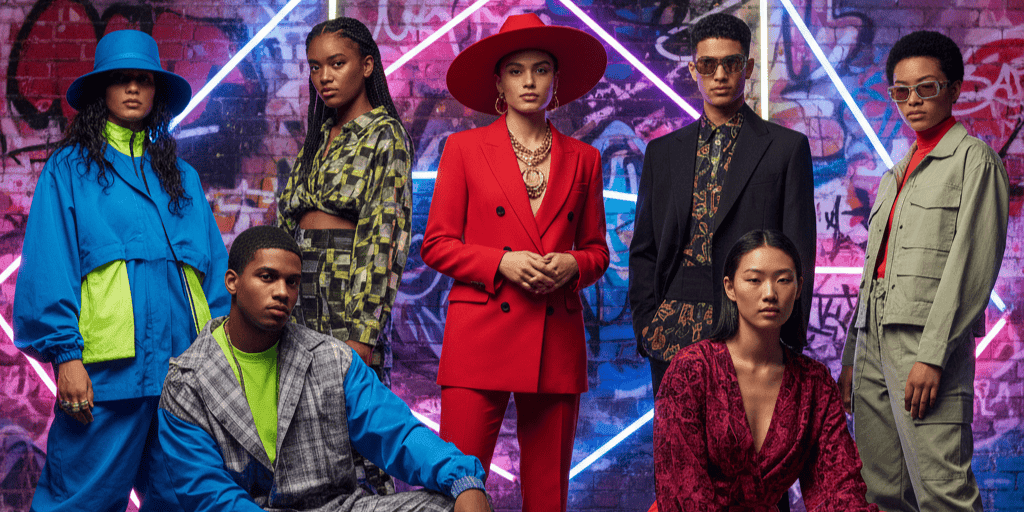
7 Powerful Ways Fashion Speaks Without Words
Fashion is more than clothing; it is a language that communicates who we are, what we believe, and how we want the world to perceive us. Every outfit, accessory, and color choice carries hidden messages. This is why fashion is often described as “the language you wear.” Understanding this silent language can help project confidence, elegance, and individuality. Here are seven powerful ways fashion communicates without words.
1. Fashion Reflects Personality
Your clothing choices reveal your personality before you even speak. Bright colors and bold patterns often signal energy and creativity. Neutral shades and minimalist designs convey calmness, sophistication, or professionalism. Even simple choices, like a casual shirt or a tailored suit, shape how others perceive your attitude. Fashion mirrors personality in subtle but powerful ways.
2. Cultural Identity Through Clothing
Fashion also expresses cultural identity. Traditional attire like a Pakistani shalwar kameez, an Indian saree, or a Japanese kimono reflects heritage and history. Wearing cultural outfits communicates respect for roots and traditions. In modern fashion, blending cultural elements with contemporary styles creates a unique look that connects past with present.
3. Confidence and Self-Esteem
The right clothing boosts confidence and self-esteem. Research shows that what we wear affects how we think and feel, a concept called enclothed cognition. A sharp suit can make someone feel powerful, while activewear inspires energy and movement. Fashion empowers us from within and can influence our mindset in everyday situations.
4. Fashion as Social Communication
Clothing often signals social roles, professions, and lifestyles. A doctor in a white coat or a chef in uniform instantly defines their role. Even casual fashion communicates social messages: streetwear often reflects creativity and rebellion, while formal clothing signals responsibility and authority. Fashion functions as a social language people read naturally.
5. Trends and Modern Influence
Every era has defining fashion trends. The 70s brought flared pants, the 90s favored oversized denim, and today, sustainable fashion and minimalism dominate. Following trends shows awareness of the modern world. True style combines trends with personal taste, balancing popularity with authenticity.
6. Fashion as an Expression of Creativity
Style is an art form. Like painting or music, fashion allows creative self-expression. Unique colors, experimental accessories, and custom designs showcase originality. Designers use fashion to tell stories, share emotions, and raise awareness about social issues. Fashion is not just clothing—it is wearable ideas.
7. The Silent Power of First Impressions
You never get a second chance to make a first impression. Fashion plays a crucial role here. A polished outfit signals professionalism, while an innovative look shows boldness and open-mindedness. Appearance is noticed before words are heard, making fashion the opening chapter of our story.
Conclusion
Fashion is a powerful language. It communicates personality, confidence, culture, and creativity without words. Every outfit you choose sends a message. By understanding the language of fashion, you can express yourself more clearly, connect with others, and leave lasting impressions. In the end, clothing is more than fabric—it is the voice of your identity, the language of your soul, and the story of your life.