

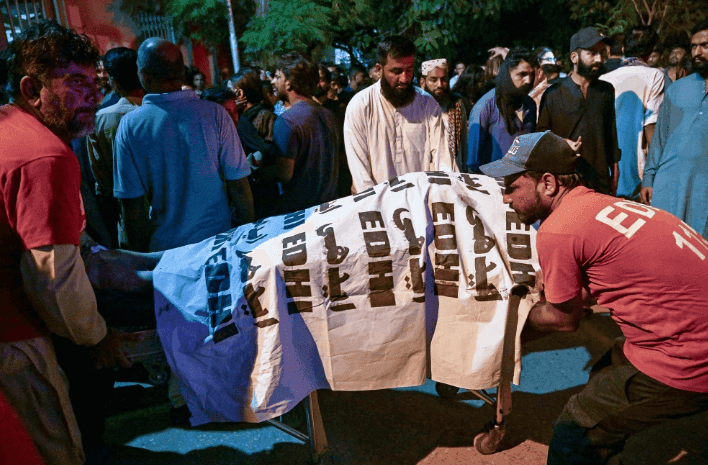
The city of Karachi was shaken by a tragic incident that has drawn national attention to the ongoing violence against marginalized communities. Three transgender women were brutally shot dead on the outskirts of the city in a targeted attack. The killings have sparked grief, outrage, and urgent calls for justice from human rights organizations, activists, and citizens across Pakistan.
The Incident
Reports indicate that the victims were returning from a social gathering late in the evening when armed attackers intercepted their vehicle. Witnesses said the gunmen opened fire without warning, instantly killing the three women. The attackers fled before security forces arrived, leaving behind an atmosphere of fear and sorrow.
Authorities have registered a case and launched an investigation. While no suspects have been arrested yet, police confirmed that the incident is being treated as a deliberate act of violence. The tragedy has reignited debates on the safety and rights of transgender individuals, who continue to face threats, discrimination, and targeted attacks in Pakistan.
Community Reaction
The transgender community in Karachi staged protests demanding swift justice and protection. Leaders expressed sorrow while condemning growing hostility toward transgender citizens. They urged the government to take concrete steps to ensure safety, highlighting that such attacks are part of a disturbing pattern of violence.
Local and international human rights groups also spoke out. The Human Rights Commission of Pakistan emphasized that the state must protect all citizens equally, regardless of gender identity. International watchdogs called on authorities to hold perpetrators accountable and address systemic discrimination.
Broader Context
Karachi, Pakistan’s largest and most diverse city, often reflects nationwide social challenges. The Transgender Persons (Protection of Rights) Act 2018 granted legal recognition and protections for transgender individuals. Despite this, enforcement remains weak, and violent attacks continue to occur.
Transgender people face vulnerabilities in public spaces, employment discrimination, and social rejection, making them frequent targets of crime. This incident highlights the gap between legislation and actual protection on the ground.
Public Outcry
News of the killings triggered outrage on social media. Citizens used hashtags to call for justice and demanded that the safety of marginalized groups become a national priority. Civil society organizations have planned vigils in major cities to honor the victims and pressure authorities to act.
Legal experts urged the judiciary to expedite the case, noting that past incidents often remained unresolved due to slow judicial processes. Visible accountability could restore public trust and discourage similar attacks in the future.
Government Response
Officials condemned the killings and vowed to bring the perpetrators to justice. Sindh Police stated that investigation teams are pursuing leads and collecting forensic evidence from the scene. Authorities also promised to engage with transgender rights activists to enhance protection measures.
Critics, however, remain skeptical, citing previous promises that failed to produce lasting change. Activists emphasize that beyond statements of sympathy, institutional support is needed, including safe housing, education, employment opportunities, and tailored community policing strategies.
Moving Forward
The tragic killing of these three transgender women underscores that laws alone cannot ensure safety. Protecting marginalized groups requires strict enforcement, cultural acceptance, and social reforms. Media, civil society, and educational initiatives all play key roles in promoting tolerance and inclusion.
The incident has also sparked discussions on community-driven solutions. Awareness campaigns, engagement with religious and local leaders, and empowerment programs for transgender individuals are being seen as essential long-term strategies.
Conclusion
The Karachi shooting highlights the urgent need for justice and systemic reform. As families and the community mourn, Pakistan faces a critical choice: treat this as another unpunished crime or turn it into a turning point for human rights.
For now, the message is clear: justice for the victims, accountability for the attackers, and a safer future for every transgender person in Pakistan.