





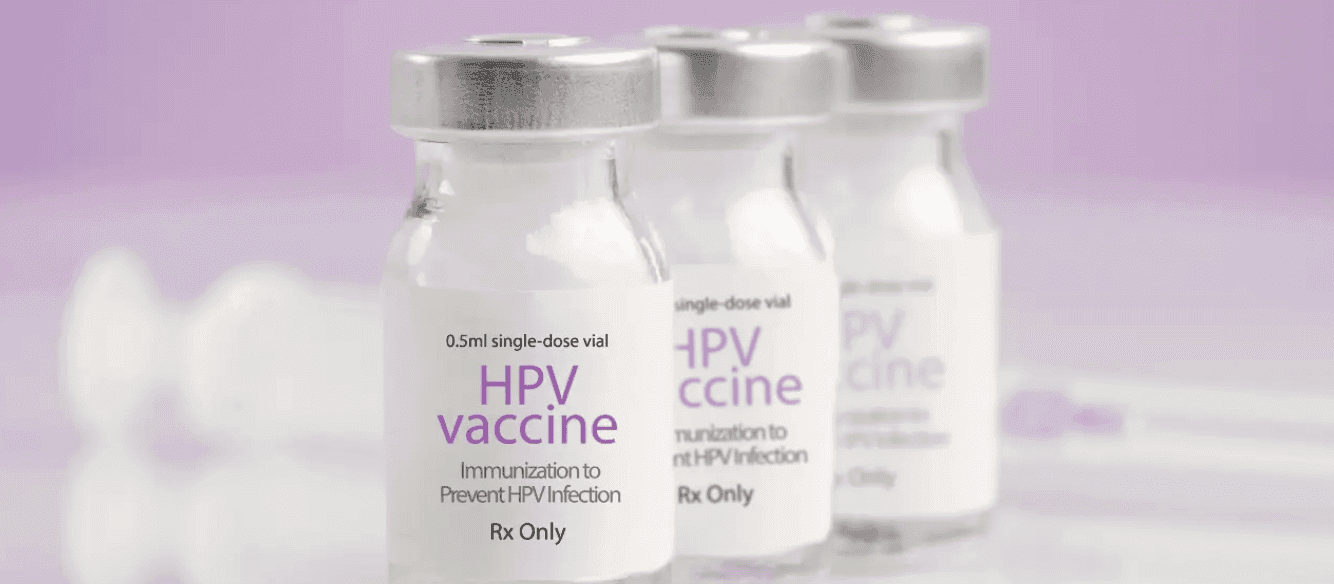
The HPV Vaccination Drive in Karachi and across Sindh is in full swing. Launched on September 15, the campaign targets girls aged 9 to 14 years to protect them from cervical cancer. So far, nearly 9 million girls in Pakistan have been vaccinated, with the government aiming to reach 13 million in this phase.
Online Backlash and Awareness
Despite its importance, the HPV Vaccination Drive has faced online backlash. Social media has been flooded with misinformation and conspiracy theories, which made many parents hesitant.
To fight the rumors, Sindh Health Minister Mustafa Kamal publicly vaccinated his own daughter. Speaking to the media, he said:
“This vaccine is safe and effective. If we do not protect our daughters today, we risk a bigger health crisis tomorrow.”
Parents’ Mixed Reactions
In Karachi, parents have responded in different ways. Some supported the drive from the beginning, while others were initially doubtful.
A mother from Gulshan-e-Iqbal shared:
“At first, I was scared after reading posts online. But when doctors explained it clearly, I realized this vaccine can save lives. I am thankful my daughter is protected.”
Still, many families remain cautious, which shows why stronger awareness campaigns are needed.
Why the HPV Vaccine Matters
Doctors explain that HPV is one of the main causes of cervical cancer, a leading health risk for women in Pakistan. Research shows that the HPV vaccine can prevent up to 90% of cervical cancer cases if given at the right time.
According to Dr. Ayesha Malik, a gynecologist in Karachi:
“Pakistan does not have strong screening systems. That’s why vaccination is the most effective solution. Prevention through vaccines is far better than late treatment.”
Expansion Plans
The Sindh Health Department has announced that the HPV Vaccination Drive will continue to expand with the following steps:
School Visits: Teams will visit schools and colleges to vaccinate girls.
Free Health Centers: Vaccines are being provided at government centers.
Media Campaigns: Awareness programs on TV, radio, and social media will counter misinformation.
Officials have urged parents to trust doctors, not rumors, and get their daughters vaccinated without delay.
Global Recognition
International organizations including the World Health Organization (WHO) and UNICEF have praised Pakistan’s efforts. They described the HPV Vaccination Drive as a “historic milestone” in the fight against cervical cancer.
Conclusion
The HPV Vaccination Drive in Karachi shows how Pakistan is moving forward in public health. With 9 million girls already vaccinated and a goal of 13 million, this campaign has the power to save countless lives.
The biggest challenge now is overcoming misinformation and ensuring parents understand the importance of this vaccine. If successful, it will mark a turning point in women’s health in Pakistan.