





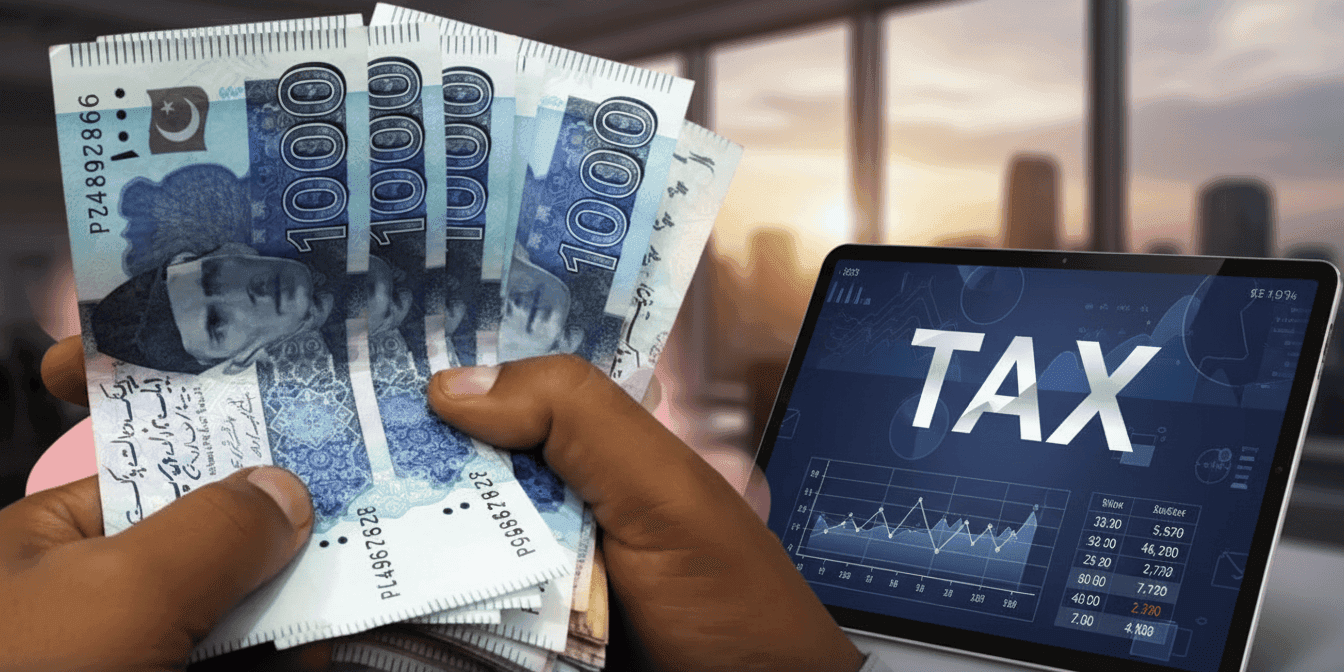
Pakistan’s economy has shown a promising start to the fiscal year as the government recorded a Rs1.5 trillion surplus in the first quarter (July–September), reflecting improved fiscal management, higher revenue collection, and controlled spending.
Strong revenue growth drives surplus
According to official finance ministry data, Pakistan’s total revenues surged due to higher tax receipts and non-tax income, mainly from the State Bank’s profits. The Federal Board of Revenue (FBR) achieved record tax collection, surpassing its quarterly target. Improved compliance, digital monitoring, and enforcement measures played a key role in boosting revenue performance.
Meanwhile, the government maintained discipline on current expenditures, especially in non-development sectors. This combination of increased income and cautious spending led to the surplus — a rare achievement in recent years.
Provincial contributions and budget impact
Provincial governments also contributed to the surplus by cutting unnecessary expenses and aligning with federal fiscal targets. Punjab and Sindh collectively accounted for the majority of the positive balance, reflecting tighter provincial budgetary controls.
Economists believe this surplus will provide breathing space for Pakistan’s financial managers as they negotiate with international lenders. It may also improve the country’s image in global credit markets and help stabilize the rupee against the dollar.
Challenges ahead
However, experts warn that sustaining the surplus throughout the fiscal year will be challenging. Rising energy costs, interest payments, and inflationary pressures could increase expenditures in the coming quarters. They stress that structural reforms, including tax base expansion and expenditure rationalization, remain essential to maintain fiscal stability.
Despite these hurdles, analysts view the Q1 results as a positive signal of improved governance and fiscal responsibility. If current trends continue, Pakistan could strengthen investor confidence and lay the groundwork for sustainable economic recovery.