



Pakistan’s Informal Bazaar Economy The Hidden Backbone
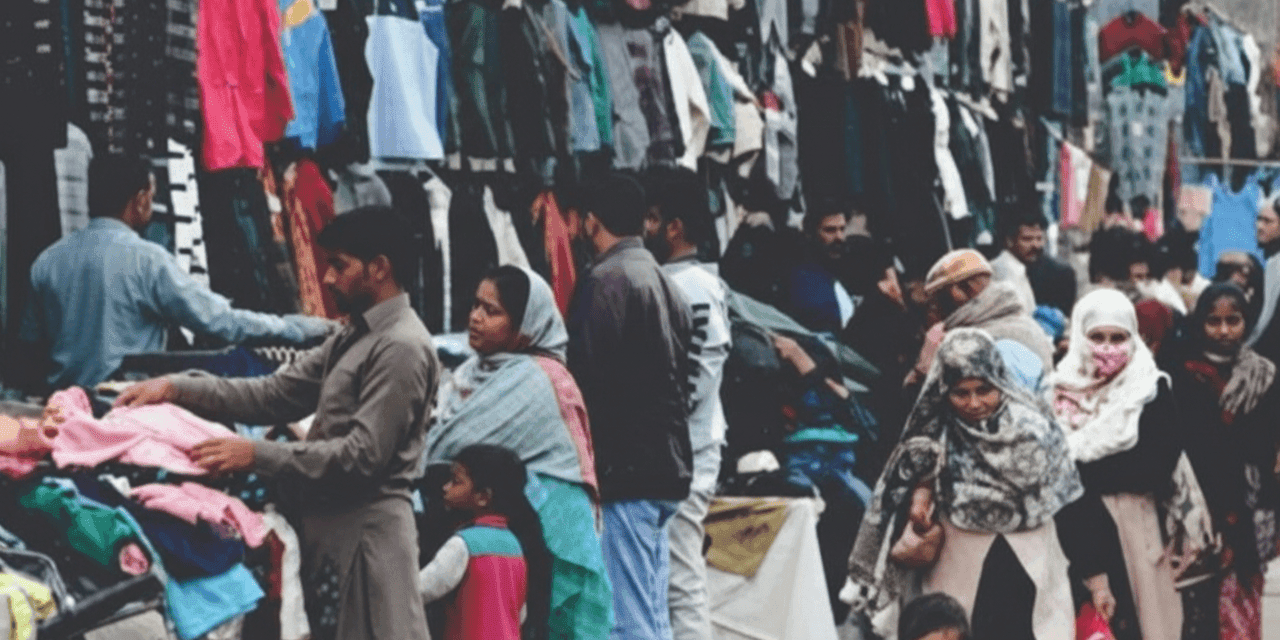
Pakistan’s economy depends heavily on informal trade. From street vendors to small shop owners, millions earn their living outside the documented system. The Pakistan informal bazaar economy plays a silent yet powerful role in keeping daily life moving.
Across cities and towns, bazaars operate from early morning till late night. These markets provide affordable goods and steady income to millions.
Why Informal Trade Dominates the Market
High taxes, complex regulations, and rising business costs push traders toward informal operations. Many small sellers find registration difficult and expensive.
As a result, the Pakistan informal bazaar economy continues to expand. It supports laborers, transporters, and wholesalers without paperwork or bank records.
Employment for Millions
The informal sector provides jobs to a large portion of Pakistan’s workforce. Street vendors, mechanics, loaders, and shop helpers rely on daily sales.
Without this system, unemployment would rise sharply. The Pakistan informal bazaar economy acts as a safety net for low-income families.
Cash Flow Keeps Markets Alive
Cash transactions dominate informal markets. This allows fast buying and selling without delays. It also helps traders avoid banking costs.
Experts say the Pakistan informal bazaar moves billions of rupees daily. Yet, most of it stays undocumented.
Challenges for the National Economy
While the sector supports livelihoods, it also creates problems. The government loses tax revenue. Planning becomes difficult due to missing data.
Still, sudden regulation could harm small traders. That is why experts call for gradual reforms instead of strict action against the Pakistan informal bazaar economy.
Read more: PSX Expected to Cross 200,000 by December 2026 | Finance
A Path Toward Inclusion
Economists suggest digital payments and easy registration systems as solutions. These steps can slowly bring traders into the formal economy.
If handled well, the Pakistan informal bazaar economy can become a strength rather than a weakness.
Final Thoughts
Pakistan’s informal markets quietly power the country’s daily life. They provide jobs, stability, and affordable goods to millions. With smart policies, this sector can support growth while protecting small traders.