





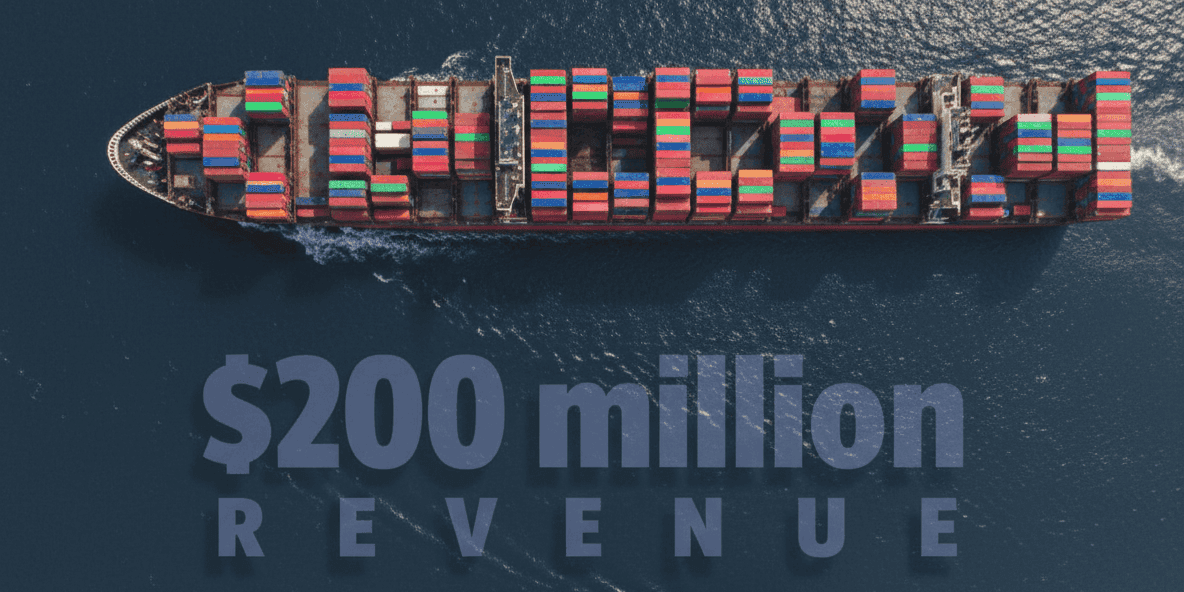
Trade Deficit Expands Despite Remittances
Pakistan’s trade deficit widened in the first four months of FY26, despite a notable increase in remittances from overseas workers. According to the latest Pakistan economy update, imports rose faster than exports, putting pressure on the country’s foreign exchange reserves. Economists say that remittance inflows provided short-term relief but failed to offset trade imbalances.
Rising Imports and Low Exports
Data shows that Pakistan’s imports surged due to higher energy and raw material demand, while exports grew marginally. The Pakistan economy update indicates that the widening gap highlights weak industrial output and a lack of diversification in export products. Analysts warn that structural reforms are necessary to strengthen domestic production and reduce reliance on foreign inflows.
Remittances Provide Temporary Relief
Remittances rose steadily during the period, helping to support household consumption and maintain foreign reserves. However, experts stress that these inflows cannot replace robust export growth. According to the Pakistan economy update, relying excessively on remittances may mask underlying economic vulnerabilities and prevent long-term growth strategies.
Government and Policy Responses
The government introduced measures to boost exports and regulate imports, including export incentives and import controls. While these steps provided partial support, they could not fully counterbalance the surge in imports. Economists say that a coordinated policy focusing on industrial modernization, export diversification, and energy efficiency is essential to reduce the trade deficit sustainably.
Impact on Economy and Businesses
The widening deficit impacts the Pakistani economy by putting pressure on the national currency and increasing fiscal vulnerability. Businesses, particularly export-oriented sectors, face challenges due to high import costs and low global competitiveness. The Pakistan economy update emphasizes that sustainable growth requires enhancing industrial capacity, improving logistics, and expanding export markets.
Looking Ahead
Experts recommend long-term structural reforms to balance trade and strengthen economic resilience. Encouraging investments in industry, diversifying exports, and managing imports strategically can help Pakistan achieve a healthier trade balance. The Pakistan economy update signals that addressing these challenges is crucial for FY26 and beyond.